Lemon Lavender Cake Recipe: A Delightful Spring Treat
There’s something utterly enchanting about my Lemon Lavender Cake that makes every bite feel like a celebration of spring. With its light, zesty lemon flavor and delicate floral notes of lavender, this cake is not just a dessert; it’s an experience—fresh, fragrant, and perfectly sweetened. I created this recipe to bring some sunshine into our busy weeks, and with 320 calories per slice, it fits seamlessly into my meal prep routine while still delivering a satisfying treat. Infused with a hint of protein from Greek yogurt, it’s a delightful way to indulge without the guilt.
I remember the first time I made this Lemon Lavender Cake for our family gathering last spring. As I pulled it out of the oven, the sweet aroma filled our kitchen, and my daughter peeked in with wide eyes, exclaiming, “It smells like a garden party in here!” The secret twist is using culinary lavender—a special ingredient that elevates this cake above typical recipes. When I served it, everyone couldn’t get enough; my husband even went back for seconds, saying it was “the best cake ever.” Moments like these remind me why I love cooking for my family!
Ingredients for the Lemon Lavender Cake
Each ingredient in this dish plays an essential role in flavor and texture. Here’s what you’ll need:
- 1 cup unsalted butter (softened): Provides a rich, creamy base for the cake.
- 1 cup granulated sugar: Sweetens the batter and helps create a tender crumb.
- 3 large eggs: Binds the ingredients together while adding moisture and richness.
- 1 cup all-purpose flour (sifted): Forms the structure of the cake for a light texture.
- 1 cup almond flour: Adds a nutty flavor and enhances moistness.
- 1 tbsp baking powder: Acts as a leavening agent to help the cake rise.
- 1 tbsp dried culinary lavender (crushed): Infuses a delicate floral note that complements the lemon.
- 1 tbsp lemon zest: Brightens the flavor profile with fresh citrus notes.
- 1 cup buttermilk: Contributes acidity for tenderness and a slightly tangy taste.
- 1 tbsp vanilla extract: Enhances overall flavor with warmth and sweetness.
- 1 tbsp lemon juice: Adds brightness and balances the sweetness of the cake.
Step-by-Step Instructions
I recommend starting by preheating the oven to 350°F (175°C) and greasing your cake pan, as this will ensure that your cake bakes evenly while you prepare the batter. Greasing the pan properly will prevent sticking, making it easier to remove the cake later. Use a standard 9-inch round cake pan for this recipe, and don’t skip on the grease—your future self will thank you when it comes time to slice into that beautiful cake.
Step 1: Preheat the oven to 350°F (175°C) and grease your cake pan thoroughly with butter or cooking spray. This step is essential for ensuring your cake releases easily once baked. While the oven heats up, you can start making your batter, maximizing efficiency in your kitchen.
Step 2: In a mixing bowl, cream together 1 cup of softened unsalted butter and 1 cup of granulated sugar until the mixture is light and fluffy. This usually takes about 3-5 minutes with a hand mixer or stand mixer on medium speed. The fluffiness helps incorporate air into the batter, giving your cake a delightful texture. I always find that taking my time with this step builds serious flavor—so don’t rush it!
Step 3: Add in the 3 large eggs one at a time, mixing well after each addition until fully incorporated. This ensures that each egg blends smoothly into the mixture and contributes to the structure of your cake. You want a homogenous mixture without any streaks of egg remaining.
Step 4: In another bowl, combine 1 cup of all-purpose flour (sifted), 1 cup of almond flour, 1 tablespoon of baking powder, and 1 tablespoon of crushed dried culinary lavender. Sifting the all-purpose flour helps avoid clumps and adds lightness to the batter. The crushed lavender will infuse a wonderful aroma throughout your cake, so make sure to distribute it evenly in your dry ingredients.
Step 5: Gradually add the dry mixture to your wet ingredients, alternating with 1 cup of buttermilk. Start by adding about one-third of the dry mix, followed by half of the buttermilk, mixing until just combined before repeating this process. This technique prevents overmixing and keeps your cake tender; if you see any flour streaks remaining, gently fold them in rather than beating hard.
Step 6: Stir in 1 tablespoon of lemon zest, 1 tablespoon of lemon juice, and 1 tablespoon of vanilla extract until well blended. The lemon zest adds vibrant brightness while balancing out the sweetness from the sugar. I love using freshly zested lemons for their intense flavor—trust me; it’s worth it!
Step 7: Pour the batter into your prepared cake pan and smooth out the top with a spatula for even baking. Make sure no batter is left on the sides of the pan as this could lead to uneven rising during baking.
Step 8: Bake for 30-35 minutes or until a toothpick inserted into the center comes out clean or with just a few crumbs attached—not wet batter! Keep an eye on it towards the end; ovens can vary. The top should be golden brown and spring back lightly when touched.
Step 9: Once baked, allow the cake to cool in its pan for about 10 minutes before transferring it to a wire rack. This cooling period allows it to set slightly without collapsing while still warm but not hot enough to burn you when handling.
Prepare the Glaze:
Step 10: In a small bowl, whisk together 1 cup of powdered sugar, 2 tablespoons of lemon juice, and 1 tablespoon of milk until smooth and free from lumps. The consistency should be pourable yet thick enough to hold its shape slightly once drizzled over your cooled cake—adjust with more powdered sugar or lemon juice as needed.
Step 11: Finally, drizzle that delicious glaze over your cooled cake with a spoon or spatula for an extra burst of lemony goodness! Letting it sit for just a few moments allows it to set slightly before slicing into this fragrant delight; trust me—it’s going to be hard to resist!
What to Serve with Lemon Lavender Cake
This cake is already incredibly filling and balanced, but these sides add extra variety and nutrition to round out your meal perfectly.
Mixed Green Salad with Citrus Vinaigrette: A refreshing salad featuring mixed greens, sliced oranges, and a light citrus vinaigrette adds an invigorating contrast to the sweet cake. The bright flavors of the salad complement the lemony notes in the cake while providing fiber and vitamins A and C. This is my go-to side for spring gatherings, ensuring everyone gets a dose of greens alongside dessert.
Lemon Herb Quinoa: Lightly seasoned quinoa tossed with fresh herbs like parsley and mint enhances the lemon flavor found in the cake while providing a fluffy texture that contrasts beautifully. Packed with protein at around 8 grams per cup, this dish adds a hearty yet healthy element to your meal. My family loves it as a versatile side that can be prepped ahead for busy weeknights.
Honey Roasted Carrots: Sweet, caramelized carrots drizzled with honey and sprinkled with sea salt are an excellent way to echo the sweetness of the Lemon Lavender Cake. The roasted texture offers a delightful crunch that balances the soft cake beautifully; plus, they provide beta-carotene and vitamins A and K. I often make these when I want something special yet simple to accompany our desserts.
Avocado Toast with Radishes: Creamy avocado spread on whole-grain bread topped with spicy radish slices brings healthy fats into play while offering a delicious textural contrast to the cake’s softness. With about 3 grams of protein per slice, this option not only satisfies hunger but also keeps our macros in check. It’s perfect for brunch gatherings where we want to indulge without overdoing it on sugar!
Storage & Serving Tips
To store your Lemon Lavender Cake for meal prep, allow it to cool completely and then transfer it to an airtight container. You can keep the cake in the fridge for up to 4 days. For optimal freshness, store the lemon glaze separately in a small jar or container; this will help preserve its smooth consistency. If you have any leftover lemon zest or dried lavender, keep those in individual small containers as well, ensuring they remain fragrant and flavorful.
When reheating, the best method is to place slices of the cake in a preheated oven at 350°F for about 10 minutes until warmed through. Avoid microwaving, as it tends to make the cake soggy and loses that lovely texture. For the lemon glaze, simply warm it in a small saucepan over low heat for a minute or two, stirring until it reaches your desired consistency—this will help maintain its delicious drizzle quality without compromising on flavor.
Pro tip: To batch cook this recipe for the week, consider making a double batch of the Lemon Lavender Cake on Sunday and portioning it into individual containers for easy grab-and-go snacks. Family members can self-assemble their own bowls by adding fresh fruit on top or even mixing in yogurt for added protein. For variety across the week, try swapping out almond flour for coconut flour or using different citrus zests like orange instead of lemon. To keep the lemon glaze at its best, store it separately from the cake until you’re ready to serve.
Conclusion
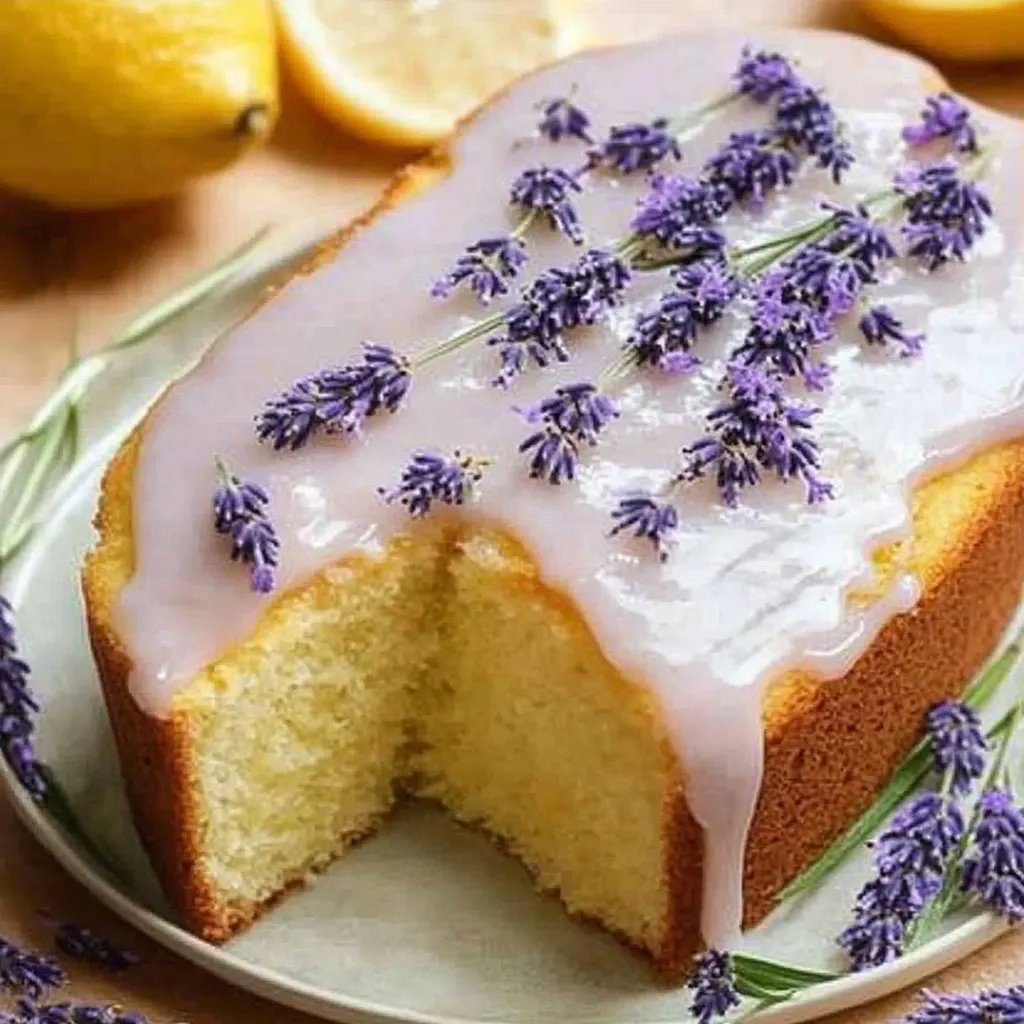
This Lemon Lavender Cake Recipe has become one of those recipes I make at least every other week because it’s not only delicious but also a delightful treat with 320 calories per slice. The crushed culinary lavender truly elevates the flavor, setting it apart from typical lemon cakes and making it a standout at any gathering. Give this one a try this week. I promise it’ll become a regular rotation dessert in your house too.

Lemon Lavender Cake
Ingredients
Method
- Preheat the oven to 350°F (175°C) and grease the cake pan.
- In a mixing bowl, cream together the softened butter and sugar until light and fluffy.
- Add the eggs one at a time, mixing well after each addition.
- In another bowl, combine the all-purpose flour, almond flour, baking powder, and crushed lavender.
- Gradually add the dry ingredients to the wet mixture, alternating with buttermilk, and mix until just combined.
- Stir in lemon zest, lemon juice, and vanilla extract.
- Pour the batter into the prepared cake pan and smooth the top.
- Bake for 30-35 minutes or until a toothpick inserted into the center comes out clean.
- Allow the cake to cool in the pan for 10 minutes before transferring to a wire rack.
- In a small bowl, whisk together powdered sugar, lemon juice, and milk until smooth.
- Drizzle the glaze over the cooled cake.