Japchae
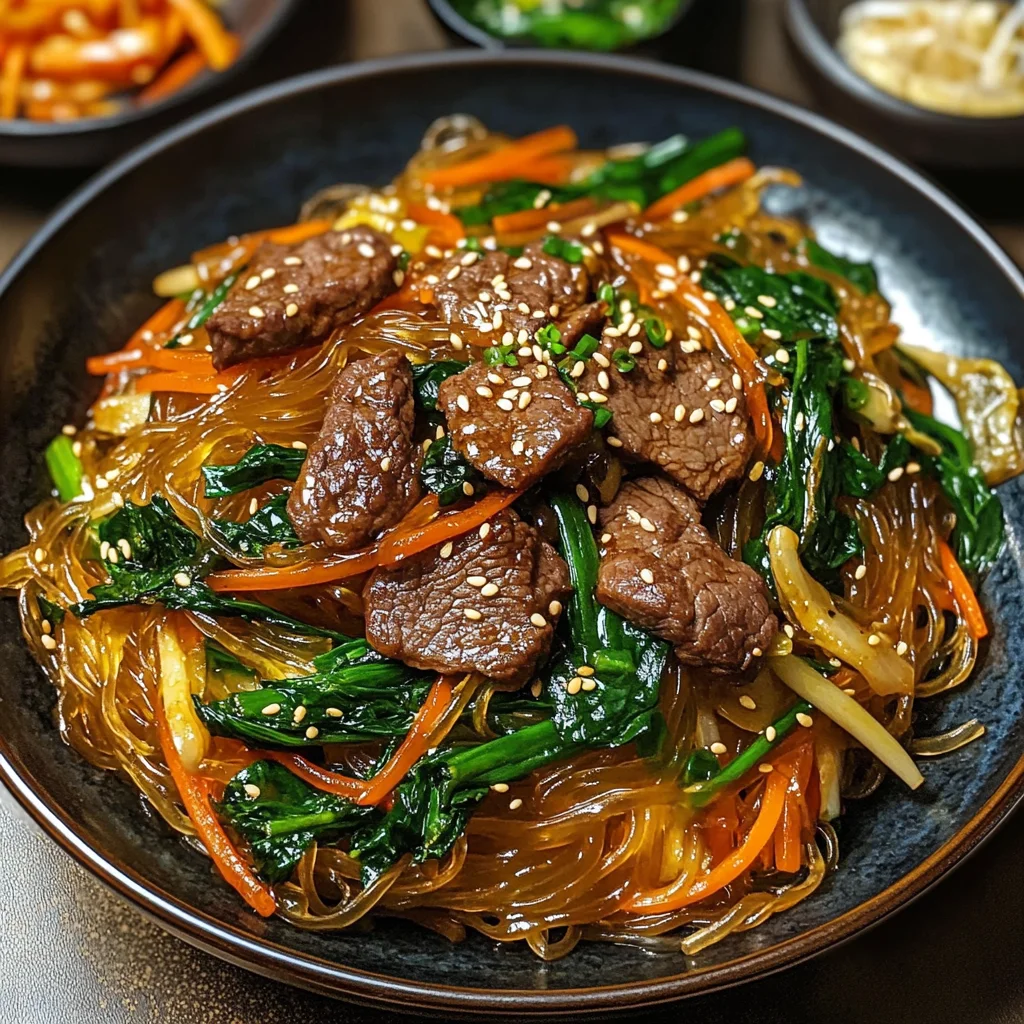
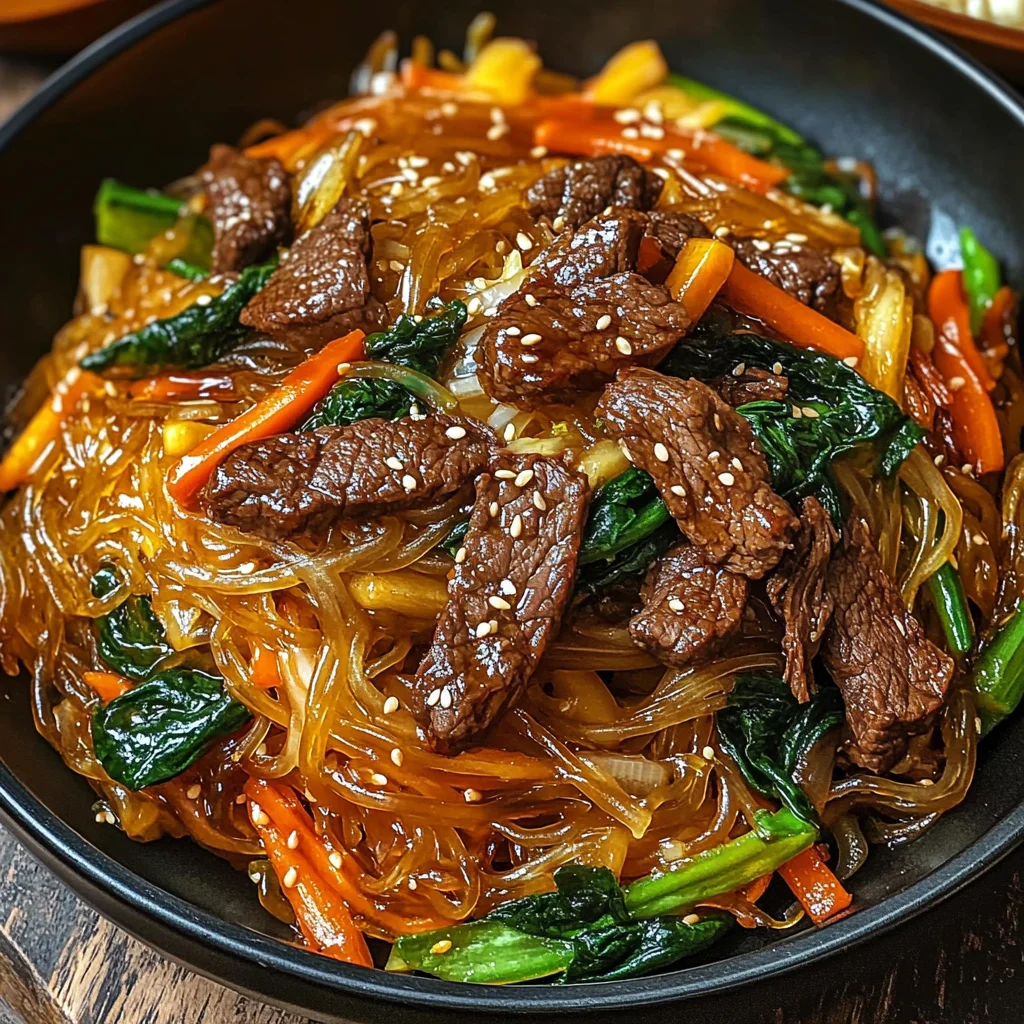
If you’re looking for a dish that will warm your heart and fill your belly, Japchae is just the ticket! This vibrant Korean stir-fried noodle dish is not only delicious but also incredibly versatile. It’s perfect for busy weeknights when you want something satisfying without spending hours in the kitchen, or for family gatherings where everyone can enjoy a colorful plate of goodness. The delightful chewy texture of sweet potato glass noodles combined with fresh veggies and tender beef (or your favorite protein) makes this recipe a cherished favorite in many homes.
Japchae holds a special place in my heart because it’s one of those comforting meals that brings people together. Each bite is a burst of flavors that are both sweet and savory. Plus, it’s easy to customize according to your taste preferences, making it an ideal dish for anyone who loves to experiment in the kitchen!
Why You’ll Love This Recipe
- Quick and easy: You can whip up this meal in just about an hour, making it perfect for those busy days.
- Family-friendly: With its delicious balance of flavors and textures, it’s sure to please both kids and adults alike!
- Make-ahead option: Prepare the ingredients ahead of time and toss them together when you’re ready to eat.
- Customizable: Whether you prefer beef, chicken, tofu, or even shrimp, this recipe adapts beautifully to suit your cravings.
Ingredients You’ll Need
Let’s gather some simple, wholesome ingredients to bring this Japchae to life! These ingredients are not only easy to find, but they also pack a punch of flavor and nutrition.
For the Noodles
- 1 lb Korean sweet potato noodles (glass noodles)
For the Stir-Fry
- 2 lb thin-sliced beef (or substitute with chicken, tofu, or shrimp)
- 3 medium carrots, julienned
- 1 large white onion, thinly sliced
- 1/2 bunch green onions, chopped
- 6 garlic cloves, minced
- 1/2 lb spinach leaves
For the Sauce
- 4 tbsp sesame oil (divided)
- 1 tbsp olive oil
- 6 tbsp soy sauce (or tamari for gluten-free)
- 3 tbsp brown sugar
Variations
The beauty of Japchae lies in its flexibility! Feel free to mix things up based on what you have at home or what you’re in the mood for.
- Swap the protein: Instead of beef, try using chicken or tofu for a lighter option.
- Add some spice: Give your Japchae a kick by mixing in a spoonful of gochujang or red pepper flakes.
- Go veggie-heavy: Load up on more vegetables like bell peppers or zucchini for extra nutrition and color.
- Try different noodles: If you can’t find sweet potato noodles, rice noodles work well too!
How to Make Japchae
Step 1: Cook the Noodles
Bring water to a boil in a large pot with a drizzle of olive oil. Add the sweet potato noodles and cook for about 5-6 minutes until they become tender yet chewy. Drain them well and set aside. Cooking the noodles perfectly is essential as they provide that delightful texture that makes Japchae so special!
Step 2: Sauté the Beef
In a skillet over high heat, cook the beef until browned. Season it with half the soy sauce, sesame oil, and brown sugar while cooking. Once nicely browned, set it aside. This step is crucial as browning enhances the flavor of the beef and infuses it with delicious seasoning.
Step 3: Stir-Fry Vegetables
In another skillet, heat olive oil over medium-high heat. Add the julienned carrots and sliced onion. Cook until softened—this brings out their natural sweetness! Then add the remaining soy sauce, sesame oil, and brown sugar along with garlic and green onions; cook for another minute until fragrant.
Step 4: Add Spinach
Toss in your spinach leaves next! Stir until they wilt down significantly. Adding spinach not only boosts nutrition but also gives your dish beautiful color.
Step 5: Combine Everything
In a large bowl, combine all cooked ingredients: noodles, sautéed beef, and stir-fried veggies. Toss everything together gently so that every noodle is coated in that savory goodness. Serve warm with extra green onions sprinkled on top if desired—enjoy every vibrant bite!
Pro Tips for Making Japchae
Creating the perfect Japchae is all about balancing flavors and textures, so here are some helpful tips to elevate your dish.
-
Use fresh ingredients: Fresh vegetables not only enhance the flavor but also add vibrant colors to your Japchae, making it visually appealing and nutritious.
-
Soak the noodles correctly: Instead of boiling, soak the sweet potato noodles in hot water for about 30 minutes before cooking. This method ensures they retain their chewy texture and prevents overcooking.
-
Prep ahead of time: Chop all your vegetables and protein before starting to cook. This makes the stir-frying process quick and easy, allowing you to enjoy a seamless cooking experience.
-
Adjust sweetness to taste: Feel free to modify the amount of brown sugar based on your preference for sweetness. This flexibility allows you to customize the dish to fit your palate perfectly.
-
Don’t overcrowd the pan: When cooking the vegetables or meat, ensure that there’s enough space in the pan. This helps achieve a nice sear and prevents steaming, which can affect the overall texture of your Japchae.
How to Serve Japchae
Serving Japchae is just as important as making it! With a few creative ideas, you can impress your guests or family even more.
Garnishes
- Sesame seeds: A sprinkle of toasted sesame seeds adds a delightful crunch and nutty flavor that complements the dish beautifully.
- Chili flakes: For those who enjoy a bit of heat, a dash of chili flakes provides an exciting kick that elevates the overall taste.
- Lime wedges: Serving with fresh lime wedges allows everyone to brighten their plate with a splash of citrus, enhancing the flavors even further.
Side Dishes
- Kimchi: This classic Korean side dish brings a spicy tang that balances out the sweetness of Japchae beautifully. The fermented flavors add depth and complexity.
- Korean-style pickled cucumbers: These crisp, refreshing pickles provide a crunchy contrast and cleanse the palate between bites.
- Steamed broccoli or bok choy: Lightly steamed greens offer additional nutrients while complementing the textures in Japchae without overpowering its flavors.
- Rice or quinoa: While Japchae is filling on its own, serving it alongside rice or quinoa can create a more substantial meal option while adding extra fiber.
With these serving suggestions and pro tips, you’re all set to create a delicious and satisfying Japchae that will be loved by everyone around your table! Enjoy every bite!
Make Ahead and Storage
Japchae is a fantastic dish for meal prep! Its flavors deepen over time, making it taste even better the next day. Here’s how to properly store your delicious leftovers:
Storing Leftovers
- Allow the Japchae to cool completely before storing.
- Transfer to an airtight container.
- Store in the refrigerator for up to 3 days.
Freezing
- Place cooled Japchae in a freezer-safe container or bag, removing as much air as possible.
- Label with the date and freeze for up to 2 months.
- For best texture, consider freezing without adding spinach, then stir-fry fresh spinach when reheating.
Reheating
- Thaw overnight in the refrigerator if frozen.
- Heat on the stovetop over medium heat, adding a splash of water or broth to prevent sticking.
- Stir frequently until heated through, then enjoy!
FAQs
Here are some common questions about preparing and enjoying Japchae.
Can I make Japchae vegetarian?
Absolutely! You can easily substitute the beef with tofu or additional vegetables. This makes for a delicious vegetarian version of Japchae.
What kind of noodles are used in Japchae?
Japchae traditionally uses sweet potato glass noodles, which give it that unique chewy texture. These noodles are gluten-free and absorb flavors beautifully!
How can I customize my Japchae?
Feel free to add any vegetables you have on hand! Bell peppers, mushrooms, or zucchini work wonderfully. You can also spice it up with gochujang or chili flakes.
Can I serve Japchae cold?
Yes! While typically served warm, Japchae can be enjoyed chilled as a refreshing salad-like dish. Just refrigerate for an hour before serving.
How long does homemade Japchae last in the fridge?
Homemade Japchae can be stored in the refrigerator for up to 3 days. Just make sure it’s kept in an airtight container!
Final Thoughts
I hope this recipe inspires you to bring a little Korean flair into your kitchen! Whether you’re sharing it with friends at a gathering or savoring it on a cozy evening at home, Japchae is sure to delight your taste buds. Enjoy experimenting with different ingredients and flavors—there’s no right or wrong way to make this dish! Happy cooking!
Japchae

If you’re craving a meal that combines heartwarming flavors with vibrant colors, Japchae is the perfect choice! This delightful Korean noodle dish features chewy sweet potato glass noodles, mixed with an array of fresh vegetables and your choice of protein, creating a satisfying and customizable culinary experience. Ideal for busy weeknights or family gatherings, each bite bursts with a harmonious blend of sweet and savory flavors. Plus, it’s easy to prepare in just about an hour, making it both a quick dinner idea and a crowd-pleaser that everyone will love.
- Prep Time: 20 minutes
- Cook Time: 40 minutes
- Total Time: 1 hour
- Yield: Serves approximately 6
- Category: Main
- Method: Stir-Frying
- Cuisine: Korean
Ingredients
- 1 lb Korean sweet potato noodles (glass noodles)
- 2 lb thin-sliced beef (or substitute with chicken, tofu, or shrimp)
- 3 medium carrots, julienned
- 1 large white onion, thinly sliced
- 1/2 bunch green onions, chopped
- 6 garlic cloves, minced
- 1/2 lb spinach leaves
- 4 tbsp sesame oil (divided)
- 1 tbsp olive oil
- 6 tbsp soy sauce (or tamari for gluten-free)
- 3 tbsp brown sugar
Instructions
- Cook the Noodles: Boil water in a pot with olive oil. Add the sweet potato noodles and cook for about 5-6 minutes until tender but chewy. Drain and set aside.
- Sauté the Protein: In a skillet over high heat, cook your chosen protein until browned. Season with half the soy sauce, sesame oil, and brown sugar while cooking. Set aside.
- Stir-Fry Vegetables: In another skillet, heat olive oil over medium-high heat. Add carrots and onion; cook until softened. Then add remaining soy sauce, sesame oil, brown sugar, garlic, and green onions; sauté for another minute.
- Add Spinach: Toss in spinach leaves and stir until wilted.
- Combine All Ingredients: In a large bowl, mix cooked noodles with sautéed protein and vegetables. Serve warm garnished with extra green onions if desired.
Nutrition
- Serving Size: 1 serving
- Calories: 350
- Sugar: 8g
- Sodium: 800mg
- Fat: 15g
- Saturated Fat: 2g
- Unsaturated Fat: 11g
- Trans Fat: 0g
- Carbohydrates: 45g
- Fiber: 4g
- Protein: 15g
- Cholesterol: 50mg